Skilled Siding Services: Protecting Your Home While Enhancing Its Beauty
Professional siding solutions provide a dual purpose: they defend properties against environmental factors and improve aesthetic value. As properties get older, indicators such as cracks and water damage suggest the importance of immediate attention and replacement. Picking durable materials designed for particular climates plays a major role in determining durability and energy efficiency. Skilled installation by experts is critically important. Recognizing these considerations is crucial for property owners planning a renovation. Which elements should homeowners consider before committing to this investment?
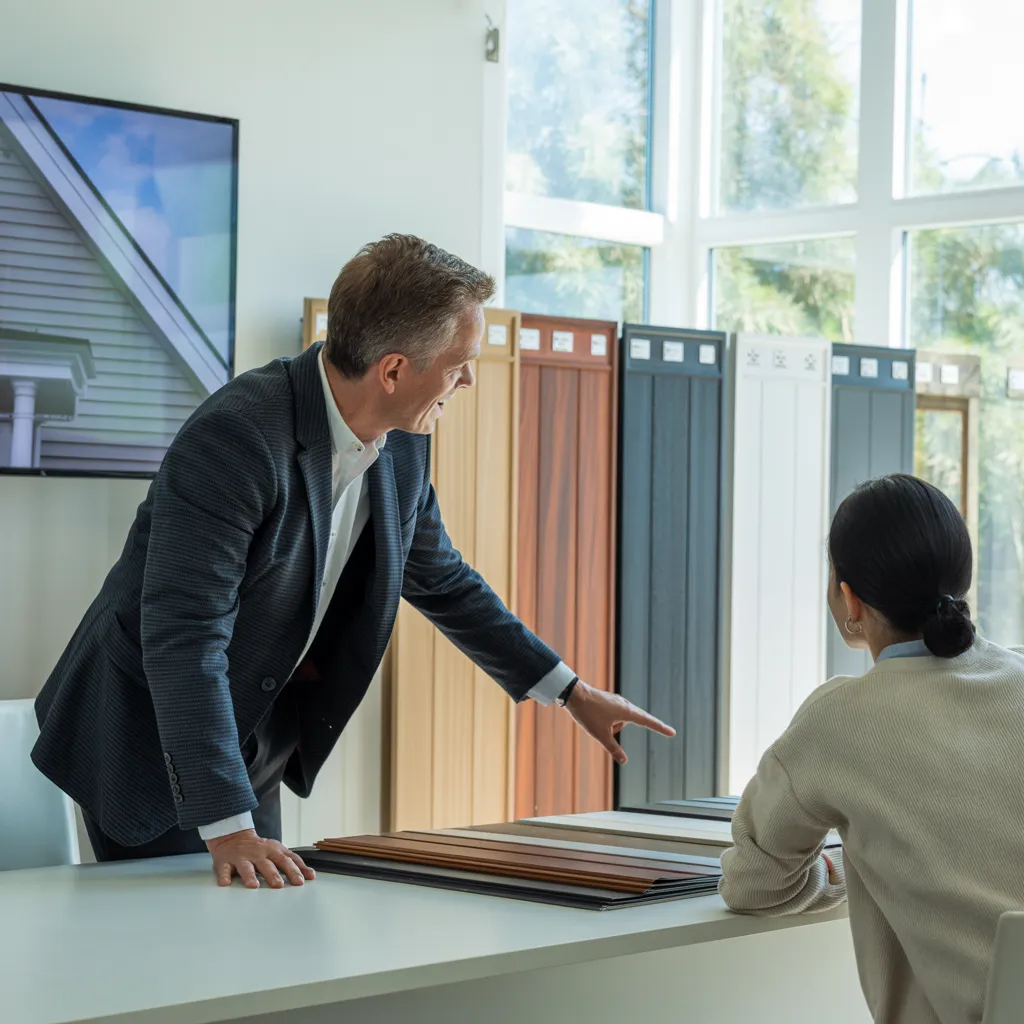
How to Know When Your Siding Should Be Replaced?
When should homeowners consider replacing their siding? Homeowners need to be aware of various indicators that point to the need for siding replacement. Visible damage, such as cracks, warping, or peeling paint, can compromise the exterior's integrity and appearance. Furthermore, signs of moisture or mold can indicate deeper problems that could result in expensive repairs if ignored. Unexpected increases in energy bills may be a sign of inadequate insulation resulting from aging siding, making it necessary to reassess the home's exterior. In addition, the age of the siding is a critical factor; the majority of siding materials last between 20 and 30 years. Finally, if a homeowner notices increased noise pollution from outside, it might be time to upgrade to a more soundproof siding option. Recognizing these signs early can help maintain the home's safety and aesthetic appeal while preventing future complications.
Why High-Quality Siding Is Important for Your Home
Premium siding plays a vital part in a home's total performance and curb appeal. It elevates energy efficiency by delivering improved insulation, which can contribute to lower utility bills. Moreover, high-quality siding markedly boosts curb appeal, causing the residence to be more inviting to prospective buyers and neighbors.
Energy Conservation Benefits
Energy efficiency is an essential aspect of modern home design, and the choice of siding is a key factor in achieving it. Quality siding materials, such as insulated vinyl or engineered wood, deliver outstanding heat retention, helping to keep indoor temperatures stable. This decreases dependence on heating and cooling systems, ultimately leading to lower energy bills. Additionally, well-installed siding minimizes air leaks, further strengthening a home's insulation. Residents who select superior siding products not only improve energy efficiency but also promote eco-friendly living by lowering their greenhouse gas emissions. In conclusion, picking the appropriate siding is key to maximizing a home's thermal efficiency, making it an intelligent choice for lasting comfort and reduced costs.
Curb Appeal Improvement
Even though choosing siding may seem like an insignificant decision, it heavily affects a home's complete exterior appearance. Superior siding can convert a simple house into a welcoming abode, enhancing its aesthetic appeal and reflecting the homeowner's style. A wide range of materials, hues, and textures provide opportunities for individualization, allowing property owners to develop a distinctive appearance that sets their home apart. Furthermore, properly kept siding can boost a home's market value, establishing it as a vital financial commitment. Homebuyers often prioritize visual appeal, and quality siding can be a deciding factor. In the end, selecting the ideal siding not only safeguards the home but also enhances its character, establishing it as an essential element in creating an attractive, inviting residence.
Siding Material Selection: Factors Worth Considering
Picking the ideal siding materials is vital for improving a home's visual appeal and longevity. Homeowners should consider several factors when making this decision. To begin with, climate is a major factor; materials such as vinyl or fiber cement may be better suited for areas with extreme weather conditions, while wood siding delivers classic character in moderate climate zones.
Additionally, upkeep needs differ; some options demand routine painting or staining, while others require little to no upkeep. Cost is another significant factor; selections vary from cost-effective vinyl to upscale natural wood or stone.
Energy efficiency should also be assessed, as particular materials deliver enhanced insulation, potentially lowering energy bills. Finally, homeowners must take into account their residence's architectural character to confirm that the siding aligns with its overall appearance. By weighing these factors, homeowners are able to choose siding materials that improve both aesthetics and durability.
Benefits of Hiring Professional Siding Installers
Selecting professional siding installers can considerably boost the quality and lifespan of a house's outer surface. These experts carry a depth of knowledge, ensuring that the work is carried out to the highest standards. Their professional expertise positions them to address potential issues, such as misaligned panels or inadequate weatherproofing, which can cause significant repair costs in the future.
In addition, skilled installers are outfitted with the appropriate materials and tools, which can greatly shorten installation time and enhance the general finish. They also keep up with local construction codes and regulations, confirming compliance and minimizing the likelihood of fines or rework.
Furthermore, choosing expert installers often comes with warranties on both labor and materials, providing homeowners confidence. This measure of reassurance, combined with the functional and aesthetic qualities of expert workmanship, demonstrates the value of entrusting siding projects to skilled professionals.
Enhancing Curb Appeal With Siding Solutions
Selecting the right siding can greatly elevate a home's exterior appearance. Color choices, combined with different textures and materials, allow homeowners to craft a unique look that expresses their unique preferences. By taking into account these factors, property owners can reinvent their property into a attractive and welcoming space.
The Importance of Color Choices
How does the perfect color choice impact a home's exterior appearance? The decision regarding siding color plays a major role in a home's curb appeal, establishing the foundation for its overall appearance. Pale hues can create the impression of a larger and more appealing space, while darker hues can evoke elegance and sophistication. Vibrant colors draw attention, allowing a home to stand out in the neighborhood, while muted tones offer a classic, timeless look. Additionally, the right color can harmonize with landscaping and architectural features, creating a cohesive appearance. It is important for homeowners to factor in their personal preferences, local weather conditions, and neighborhood influences when deciding on colors. In the end, carefully considered color selections not only elevate a home's beauty but also express the homeowner's character, making the property feel inviting and cared for.
Material And Texture Options
Diverse texture and material selections can considerably boost a home's curb appeal, providing homeowners with the chance to create a unique impression. Materials including vinyl, wood, and fiber cement each deliver individual design appeal and structural resilience. Low-maintenance vinyl siding, is available in various textures that mimic natural materials. Although wood siding demands greater maintenance, brings warmth and classic charm, available in smooth or rough-hewn finishes. Fiber cement siding combines the best of both worlds, offering resilience and a variety of textures, including stucco and wood grain. These choices allow homeowners to tailor their exterior appearance, ultimately enhancing not just beauty but also property value. Finding the perfect combination has the power to elevate any home into a breathtaking work of art.
Key Maintenance Tips to Ensure Long-Lasting Siding Performance
Consistent maintenance is crucial for guaranteeing the longevity and performance of home siding. Property owners ought to start by washing the siding at least twice a year to clear away read more dirt, mildew, and unwanted buildup. A low-pressure washer or a soft-bristled brush with a gentle cleanser can successfully preserve its look without inflicting harm. Inspecting the siding for cracks, warps, or loose panels is essential; tackling these matters without delay can ward off more substantial damage. Moreover, residents should maintain sufficient drainage around the base to minimize water-related harm. Using a quality sealant can improve resilience, especially for wooden siding. It is equally recommended to refinish or restain every couple of years, as this helps protect against the elements. Finally, regular checks on caulking around windows and doors will guarantee airtight seals, decreasing energy consumption and enhancing the siding's longevity. Such preventative measures help preserve both appearance and performance.
Questions We Often Receive
How Much Time Does Siding Installation Usually Require?
The siding installation process usually takes anywhere from one to three days, depending on the project's size and complexity. Considerations including weather conditions and the chosen siding type may also impact the total time needed for completion.
What Are the Typical Costs of Siding Replacement?
The cost of siding replacement varies considerably, typically ranging from $5,000 to $15,000 depending on materials, labor, and home size. Homeowners must factor in supplementary expenditures, like the disposal of previous siding materials and possible repairs to the underlying structure.
Can New Siding Be Installed Over Existing Siding?
Indeed, it is possible to install new siding over old siding, but it is essential to ensure the foundational structure is in good condition. Proper insulation and moisture barriers are important for preventing potential issues like rot or mold.
What Warranty Coverage Is Available for Siding Products?
Numerous siding products come with warranties that vary widely, typically providing coverage for material defects for 20 to 50 years. Installation warranties may also be available, guaranteeing workmanship for a designated period, often covering one to ten years.
What Is the Best Way to Pick a Siding Color That Matches My Home?
To choose a siding color that enhances a home, it is important to assess the style of the architecture, nearby natural environment, and neighboring homes. Testing samples makes it easier to picture the possibilities, while using color wheel resources improves how decisions are made.